 English
 Dansk
 Svenska
 Norsk

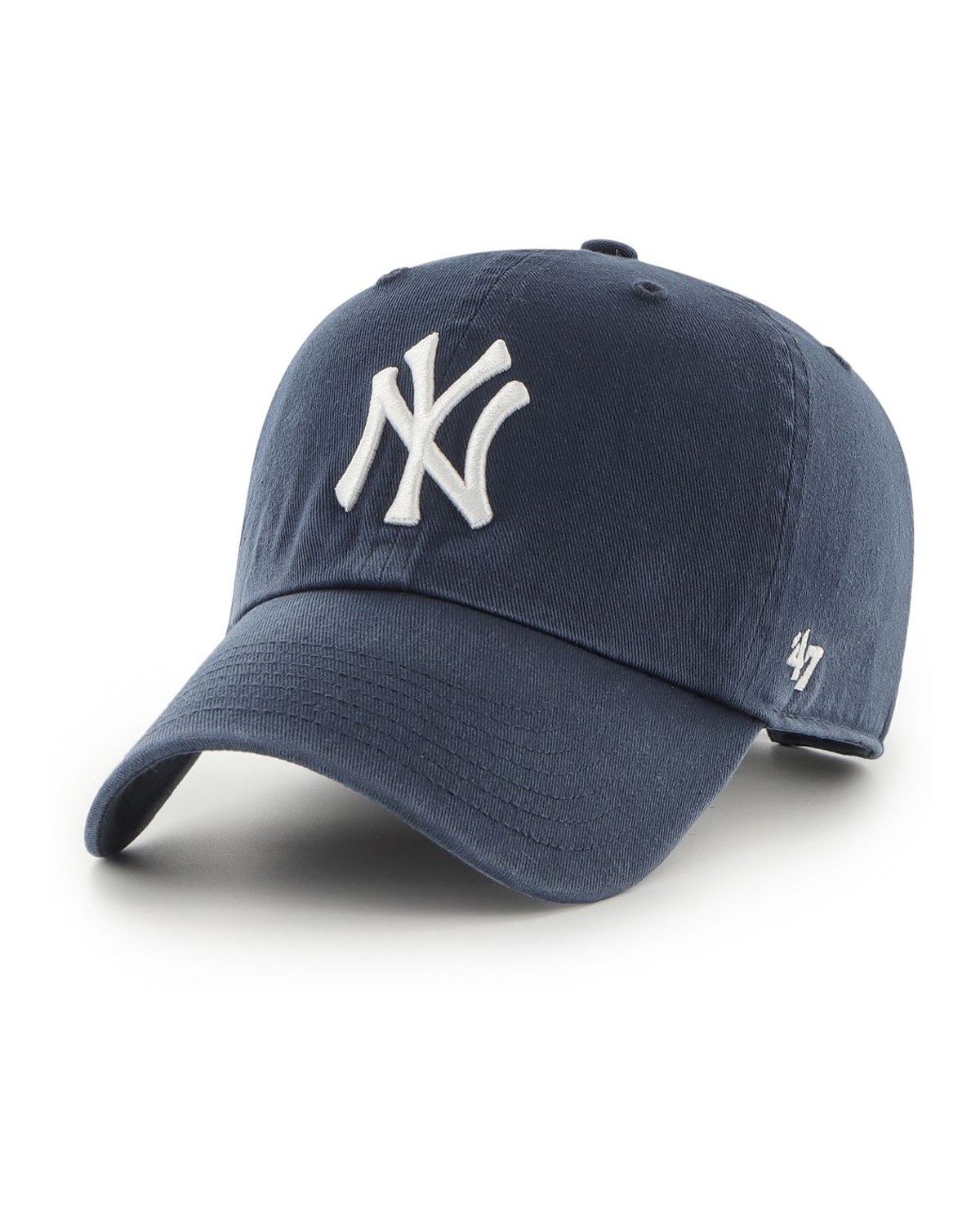
The cap that looks right in a photograph is not always the one that fits your head best. This guide helps you separate shape, closure and size, and start wearing a new ’47 cap without trying to turn it into something it was never designed to be.
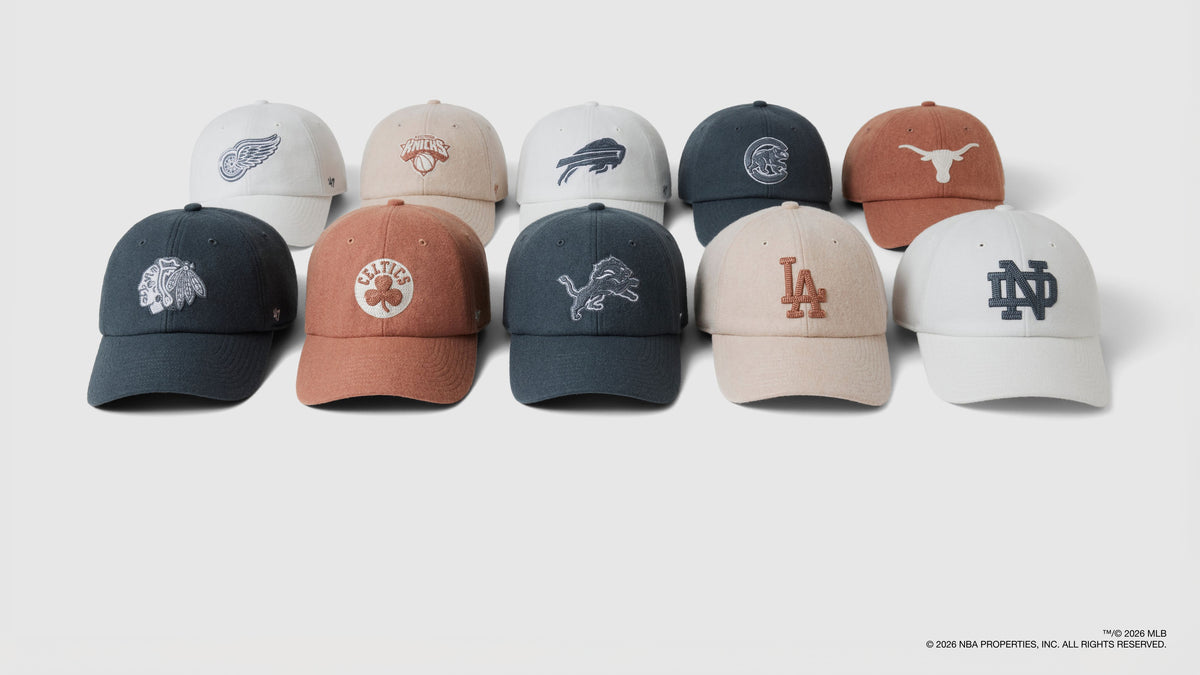
The essentials in a minute
- Choose a soft or structured front first.
- Separate the cap’s shape from its closure.
- Compare your head circumference with the specific size guide.
- Choose colour and logo, and always follow the cap’s care label.
1. Begin with the silhouette
A cap is more than its front logo
Picture two dark blue caps with the same embroidery. One sits softly around your head, while the other holds a defined front. They may look similar on a table but create very different impressions when worn. A good choice therefore begins with shape.
The crown is the part covering your head. An unstructured crown has a soft construction. A structured front is supported to hold its shape. The brim can be more or less curved. Consider these features separately and look at several angles before comparing colours.
Clean Up is ’47’s relaxed dad cap. MVP has a more structured front, while Hitch is a structured snapback. Franchise is an example of a soft style in fitted sizes. Find an overview in the style guide in our ’47 cap category.
You do not need to learn every name. Try describing what you want instead: low and soft, more defined at the front, or a particular brim shape. That makes product descriptions easier to read and helps you rule out styles that do not suit your preferences.

A practical example: Clean Up
The navy Yankees style in our selection has six panels and an adjustable fabric strap. Its front is soft and unstructured, creating a different look from a reinforced front. Explore the current ’47 caps.
2. Understand the sizing
Circumference and fit are not the same thing
Place a soft tape measure around your head, just above your ears and eyebrows. Position it where the cap would normally rest and read the measurement without pulling tight. Repeat a couple of times. Without a tape measure, use a non-stretch string and measure its length with a ruler afterwards.
The measurement is a starting point to compare with the specific style’s size guide. It does not tell you everything about crown fit. A cap can have enough room around the head and still feel wrong in height. Compare both closure and shape with a favourite you already own.
With an adjustable cap, find a comfortable setting on the strap or snapback closure. With a fitted style, choose a size. One Size does not mean it fits everyone: adjustment has limits, and an adult cap is not automatically suitable for a child.
How to measure
- Position the tape where the cap will sit.
- Hold it close to your head without pulling tight.
- Repeat, then compare with the measurements for that style.
3. Make it your own
A small detail can bring an outfit together
If you do not usually wear a cap, start with an outfit you already feel comfortable in. Put on your usual jeans, a simple T-shirt and the jacket you wear most. Changing one thing at a time makes it easier to judge whether the colour and shape work for you.
A dark cap with light embroidery can be the only strong focal point. Tone-on-tone creates a quieter look. Navy can provide a calm contrast to olive and brown, while grey can link black with lighter clothing. Look for a connection between colours rather than trying to match everything exactly.
Team logos have their own stories. The Yankees NY has become recognisable in both sport and everyday style, while many people associate the Dodgers LA with Los Angeles. You can choose a team you follow or simply an embroidery you enjoy. The fit still needs to work for you, whatever the logo.

4. Start wearing it
Let it find a place in your routine
A new cap can feel new, but it should not hurt. Start with a short walk and an adjustment that feels comfortable. Wear it again and make small changes if needed. This gives you a chance to establish whether the style really fits before doing anything more to it.
Begin with ordinary, short periods of wear and small adjustments to the closure. We would not try to solve an obvious sizing problem with heat, soaking or sharp bends in the brim. A structured front is designed to maintain a particular silhouette, not to be reshaped into a different kind of cap.
Notice where any pressure occurs. Tightening the strap to make an overly deep style sit higher can leave you with a cap that squeezes and still feels wrong. Trying a different shape is more useful in that situation. Contact us if you are unsure before you start using a new item.
5. Look after a favourite
Read the label before reaching for detergent
Start with the care label inside the cap. The combination of fabric, embroidery and construction matters more than general advice from a video or guide. We therefore use the product’s own instructions as the starting point, even when two caps look similar.
General care advice does not replace your cap’s label. If the instructions are unclear, it is better to clarify them before washing. Do not guess a temperature simply because the fabric contains cotton, for example.
Store your cap where its front and brim will not be crushed by other things. If you have several, a dedicated space makes colours and logos easier to see. It also makes choosing one for the day’s outfit easier than always reaching for the same cap.
Your next cap starts with a good choice
Choose shape first, check size, then consider colour and embroidery. You do not have to pick the style that is most popular with everyone else. The aim is a cap that fits well and that you want to wear.
Browse ’47 caps at Army Star, learn about the brand’s roots on our ’47 page, or compare our full selection of caps.


